
 Why invest in Greece
 Why invest in Athens
 FAQ
FAQ Apartment Prices in Athens: 2025 Review
 Mortgage in Greece 2025: A Comprehensive Guide to Obtaining Real Estate Financing in Greece
 Golden Visa Greece: The Complete Guide to Obtaining a Golden Visa in Greece



Leave your email and we will get back to you.
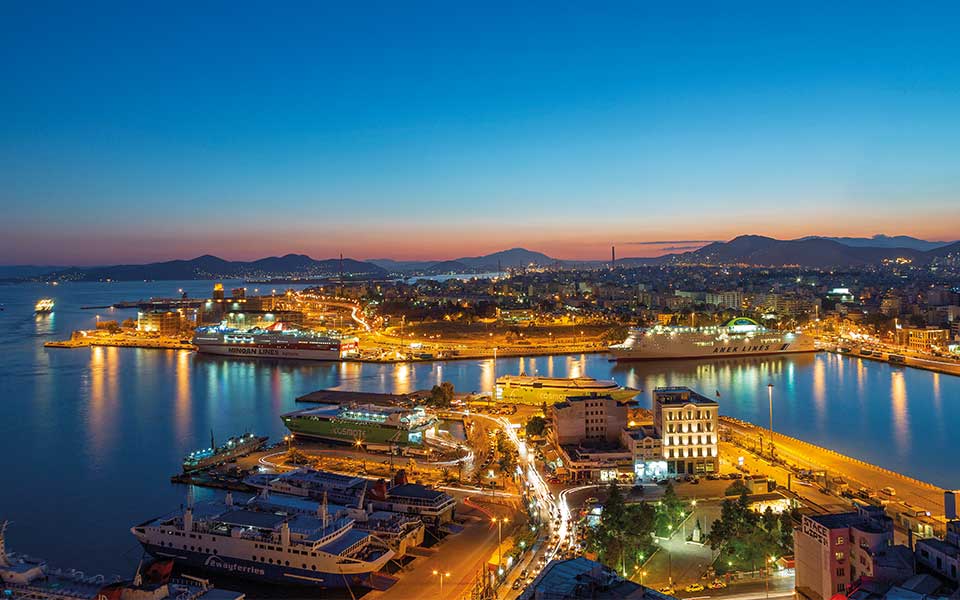
Piraeus is a major port city and an integral part of the Athens metropolitan area, situated southwest of the city center. It is a historic hub featuring one of the most important commercial ports in the Mediterranean, extensive maritime transport, and a vibrant urban life.
Piraeus offers a diverse mix of environments: from densely populated residential districts and prestigious coastal neighborhoods (such as Pasalimani and Kastella) to industrial zones, commercial centers, and transit hubs for the Greek islands. The city’s character varies significantly by area—ranging from a bustling commercial core to tranquil residential pockets.
The Population
- Highly Diverse Demographic: A vibrant mix of local Greek families, port employees, expatriates, students, and international residents.
- High Rental Demand: Particularly concentrated in the city center and in the vicinity of the central transport hub.
- A Blend of Old and New: Long-standing local communities exist alongside transient residents, with a growing presence of real estate investors.
- Strong International Interest: Significant attention from global investors, specifically targeting coastal areas and properties near the marinas.
Transportation
- Piraeus Metro Station: Served by both the Green Line and the newly extended Blue Line, providing a direct and efficient link to central Athens and the International Airport.
- Proastiakos (Suburban Railway) & Bus Network: Features comprehensive suburban rail services and numerous bus lines, including direct connections to the port and intercity bus terminals.
- Maritime Hub: The primary gateway for ferry services to the Greek islands, featuring daily departures and international trade routes.
- Vehicle Accessibility: High accessibility by car; however, the central districts are prone to significant traffic congestion.
Key Locations and Main Landmarks
- Port of Piraeus: The most important port in Greece and the beating heart of the country’s economic activity.
- Pasalimani and Kastella: Prestigious residential districts featuring scenic promenades, luxury marinas, and high-end dining.
- University of Piraeus: A prominent academic institution that serves as a key driver for the student rental market.
- Cultural and Commercial Hubs: A rich array of shopping centers, theaters, maritime museums, and vibrant local markets.
Real Estate in Piraeus
Real estate investments in Piraeus vary significantly depending on the specific district within the city:
Property Prices: Prices range widely from €3,000 to €4,000 per sqm, depending on whether the property is located in the inland areas, the port districts, or along the coastline.
Monthly Rents: Average rents for 1–2 bedroom apartments (2–3 rooms) range between €450 and €900.
Robust Demand: Strong demand for both short-term and long-term rentals, catering to students, tourists, and professionals alike.
Urban Renewal: Numerous renovation and redevelopment projects are underway, particularly in proximity to the marinas and the central transport hub.
Key Advantages for Investors
International Maritime Hub: High daily traffic and economic significance as a major global port and a central transportation node.
Versatile Rental Demand: Strong demand across all sectors, including short-term tourist stays, student housing, and long-term residential leasing.
Significant Capital Appreciation Potential: Substantial opportunities for value growth, particularly in seafront areas and emerging neighborhoods.
Strategic Location: Perfectly positioned between Athens and the Greek Islands, providing a distinct competitive edge for the short-term rental market (Airbnb).
Critical Insights for Investors
High Traffic Density: Significant congestion, particularly in the vicinity of the port and major transit hubs.
Sharp Neighborhood Disparities: A distinct contrast exists between prestigious luxury districts and neglected or industrial zones.
Variable Building Maintenance: Building conditions fluctuate greatly; the commercial center, in particular, contains many older properties requiring attention.
Selective Tourism Potential: Not all areas are suitable for short-term rentals; each specific location must be vetted for its suitability for tourism.
