
 Why invest in Greece
 Why invest in Athens
 FAQ
FAQ Apartment Prices in Athens: 2025 Review
 Mortgage in Greece 2025: A Comprehensive Guide to Obtaining Real Estate Financing in Greece
 Golden Visa Greece: The Complete Guide to Obtaining a Golden Visa in Greece



Leave your email and we will get back to you.
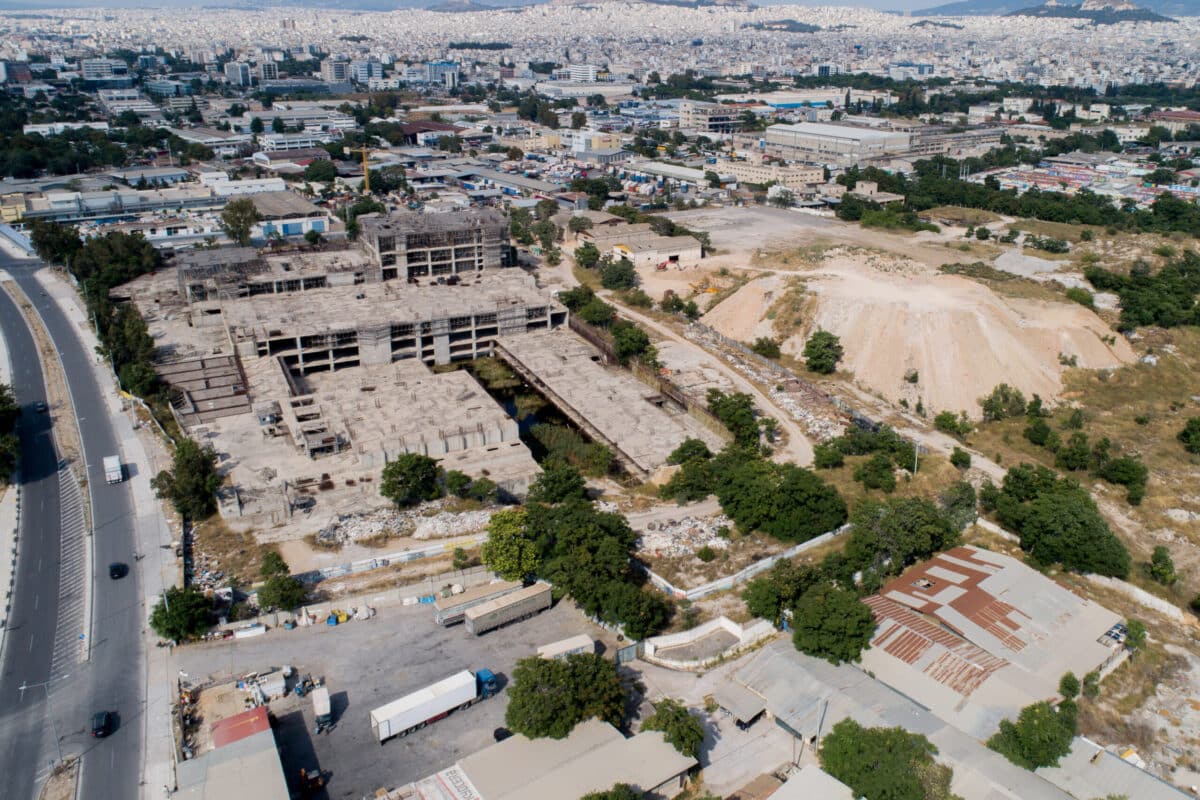
The Votanikos neighborhood is located in southwestern Athens, between the districts of Kerameikos, Gazi, and Rouf. The area combines light industrial zones, open spaces, and outdated urban infrastructure, yet has become a focal point of renewed interest due to extensive urban development plans—most notably the construction of a new stadium for the Panathinaikos football club. While the area has not yet fully taken shape, it offers significant potential for investors with a long-term perspective.
The population
- Long-standing residents alongside immigrant populations—many of whom are renters.
- A relatively low average income level, with a changing demographic mix.
- Limited activity from foreign investors, though a moderate increase in interest is noticeable.
- A conservative local community, with residents who are deeply familiar with the neighborhood.
Transportation
- Proximity to Eleonas metro station (Blue Line), approximately a 10-minute drive to central Athens.
- Active bus lines along the main arteries, including Iera Odos.
- Convenient access to the Attiki Odos highway and nearby logistics and industrial hubs.
- Less traffic congestion than in the city center, though parking can be challenging in certain areas.
Key Locations and Points of Interest
The planned Panathinaikos stadium development site – expected to significantly reshape the neighborhood in the coming years.
The Municipal Botanical Park (which gave the neighborhood its name) – a green lung within walking distance.
The old industrial zone – currently partially active, serving as storage and service areas.
Proximity to Gazi – a cultural, entertainment, and nightlife district located nearby.
Real Estate in the Votanikos Neighborhood
The real estate market in Votanikos offers low prices with high potential:
Apartment prices typically range between €900–€1,300 per square meter, depending on location and property condition.
Monthly rent generally ranges from €300–€500 for small to mid-sized apartments.
Rental demand comes mainly from immigrants and workers employed in nearby industrial areas.
Urban renewal (evacuation–reconstruction) projects are currently rare, but some are in the planning stages.
Key Advantages for Investors
Very low entry prices — allowing property acquisition at attractive valuations.
Future urban development plans — including the new stadium, which may significantly enhance property values.
Proximity to Gazi and metro stations — improving accessibility and overall attractiveness.
An existing rental market — mainly for basic long-term residential units.
Critical Considerations for Investors
Actual development has not yet begun — progress depends on municipal processes and local politics.
A neighborhood with an industrial image — less suitable for those seeking a prestigious or highly sought-after area.
Many properties require extensive renovation — sometimes including structural reinforcement or permit-related work.
Not suitable for tourist rentals — the area lacks attractions and does not attract tourist demand.
